UA Little Rock Students Win National Startup Competition for Cancer Research Venture
What started as undergraduate research in a laboratory at the University of Arkansas at Little Rock has grown into an award-winning startup with the potential to improve cancer treatment for patients around the world.
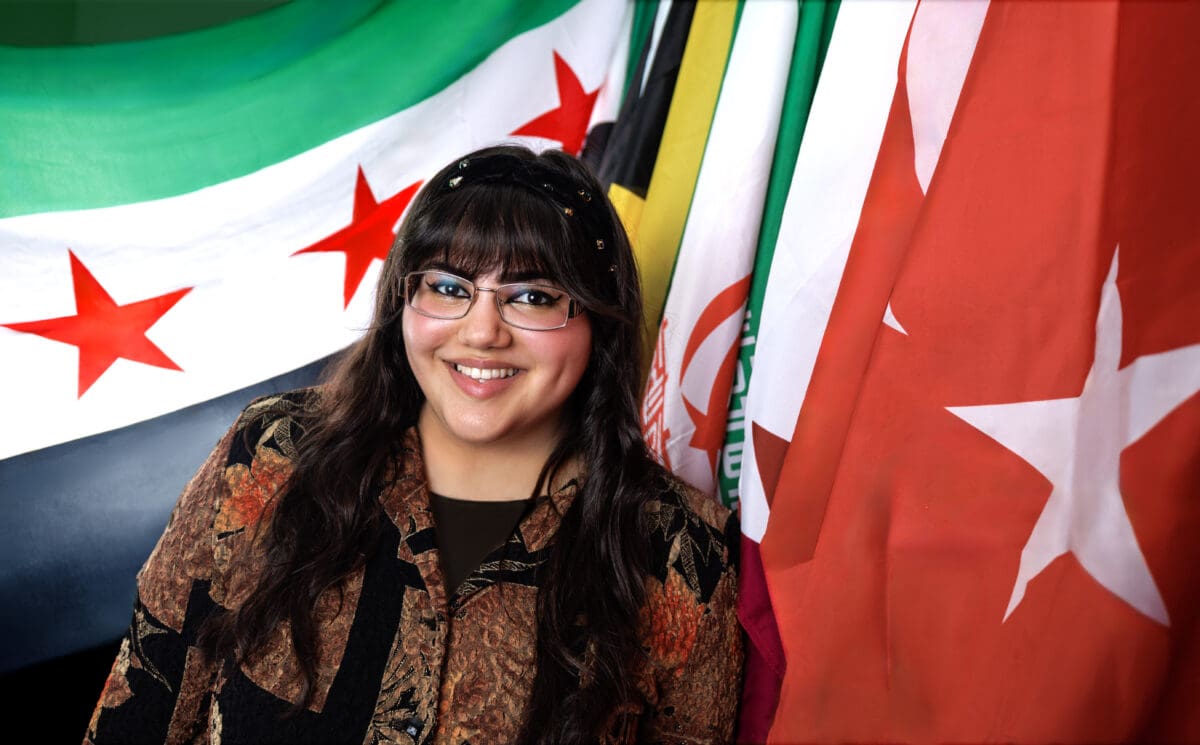
UA Little Rock students Zane Austin and Nistha Neupane are bringing national attention to campus innovation after winning a competitive startup pitch event through America250, an initiative marking the United States’ 250th anniversary. Their nanotechnology-based company, NanoLit, earned both national recognition and funding through the event.
The competition, America’s Startup, invited student teams from colleges across the country to pitch early-stage ventures to a panel of prominent entrepreneurs and investors. Out of applicants nationwide, only 30 semifinalist teams were selected to travel to California’s Bay Area for in-person pitching and evaluation.
NanoLit was designed to address the harsh side effects of chemotherapy by creating a more targeted treatment approach that reduces damage to healthy cells.
“The hair loss, nail bed damage, and loss of immune function that we see in cancer patients are due, at least in part, to the effect of chemotherapy,” Austin said. “By formulating a drug that is highly selective towards tumor cells, we can mitigate these dangers without compromising the efficiency of the drug, and overall improve patient outcomes”
Their goal is to develop a drug that maintains treatment effectiveness while reducing harm to healthy cells, potentially improving patients’ quality of life during cancer care.
For Neupane, the research carries personal significance.
“Oncology is a field I have dreamt of being in for so long,” she said. “I’ve had the opportunity to get to know the field of oncology from the clinical setting for two years, and from behind the fume hood for four years. On top of that, I went through my own tumor operation that put many things into perspective for me.”
The startup grew out of years of undergraduate research in Dr. Noureen Siraj’s lab at UA Little Rock, where both students worked on nanotechnology-related projects and developed the foundation for NanoLit.
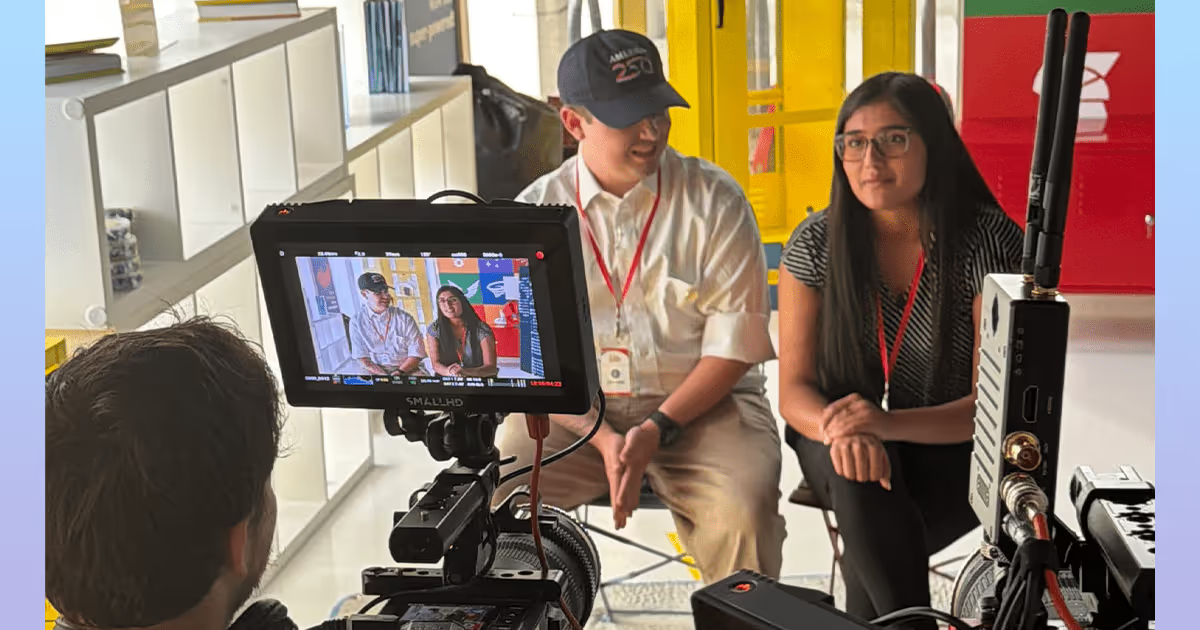
The competition itself was unlike anything the students had ever experienced before. Throughout the event, participants were filmed as part of the competition experience while pitching and networking with fellow founders and judges.
“From day one, we were taken on a full filming set, had our hair and makeup done, and had microphones placed on us,” Neupane said. “It was like our own small moment of being on reality TV, undergraduate Shark Tank edition.”
The judging panel included high-profile figures such as Apple co-founder Steve Wozniak, the CFO of OpenAI, and former U.S. Treasurer Rosie Rios along with other prominent entrepreneurs and investors.
Austin and Neupane said the experience felt surreal, as it gave them the opportunity to present their work to entrepreneurs and innovators who have played major roles in shaping technological and financial innovation in the United States over the past several decades.
“I was entirely starstruck when we had the opportunity to meet individuals like Rosie Rios and Tim Draper,” Neupane said. “To have such influential people be so interested in our startup felt like we had stepped into an entirely different world — the world of entrepreneurs.”
Austin said the experience also reinforced the value of the work the team has been pursuing in the lab for years.
“This was the pinnacle of my undergraduate career, that’s for certain,” Austin said. “This experience meant seeing that what we’ve been doing in the lab actually matters.”
Competing alongside students from institutions such as Stanford, Johns Hopkins, and the University of Pennsylvania initially felt intimidating, the students said, but the experience ultimately reinforced their confidence in the research happening at UA Little Rock.
“Being able to put UA Little Rock on the map and have students from universities like Johns Hopkins and Stanford be so impressed by our work puts into perspective how well we have done on our journey so far,” Neupane said. “It became so clear to me why Dr. Siraj has pushed us so hard the past few years to prepare us for opportunities like this.”
The team ultimately advanced as one of 10 finalists and received $25,000 in grant funding to continue developing NanoLit.
Part of the awards package was a scholarship to Draper University, an entrepreneurial training program founded by venture capitalist Tim Draper, which Austin plans to attend.
“I will be taking this opportunity over the summer to go and learn everything I can about building a business from the ground up,” he said.
Neupane, a graduating senior, said this experience highlighted both the potential of NanoLit and the opportunities still ahead for the company. Meeting entrepreneurs and professionals from a wide range of fields also gave her a new perspective as she prepares to begin medical school at the University of Texas at Tyler School of Medicine as part of the Class of 2030.
“This gave me a different type of passion and respect for the role that business and marketing play in medicine, and it is certainly something I hope to learn more about going into medical school and beyond,” she said.
Both students said they believe their success came down to a combination of passion and communication.
Neupane said their willingness to openly share their ambition for advancing oncology research helped set them apart, noting that judges described their pitch as “insane” in the best way.
Austin added that a key part of their training in Dr. Siraj’s lab was learning how to make complex science accessible. He said being able to clearly communicate their ideas to judges without a technical background ultimately played a major role in their success.
“We weren’t afraid to show them our big dreams and passion for this field,” Neupane said.
From the research lab to the national stage, Austin and Neupane’s journey showcases how UA Little Rock students are transforming big ideas into meaningful change.